A November gust is the call that reaches dispatch from the light-industrial district south of Yakima, and it usually comes from someone standing in a yard looking up at a shop or hangar roof that is humming. The first question we ask is where the sound is coming from, because a drone at the eave means loose edge metal, and a rattle in the middle of the span means a panel has let go of its fasteners. The district runs along the corridor about three miles south of the city, where aviation-related and light-industrial buildings sit on open ground, and its long, open buildings take wind on every face. Stay clear of the door line, keep vehicles out from under the loose section, and send photos from the ground.
Roofs here, low-slope or metal, get repaired, coated, recovered or replaced, and dispatch answers at any hour. Hangar doors, shop bays and yard canopies each get their own look, because each one catches wind and drains water in its own way.
Read the Wind Load on a Long Open Span
Yakima's record gust is 69 mph from May 1985, and the county designs for a wind speed of 110. Open ground with few tall neighbors lets wind reach a roof without losing speed, and the late-November 2019 windstorm showed it. A hangar or shop with a large door opening faces another problem: when the door is open in a gale, wind enters, pressurizes the space and pushes up on the roof from below.
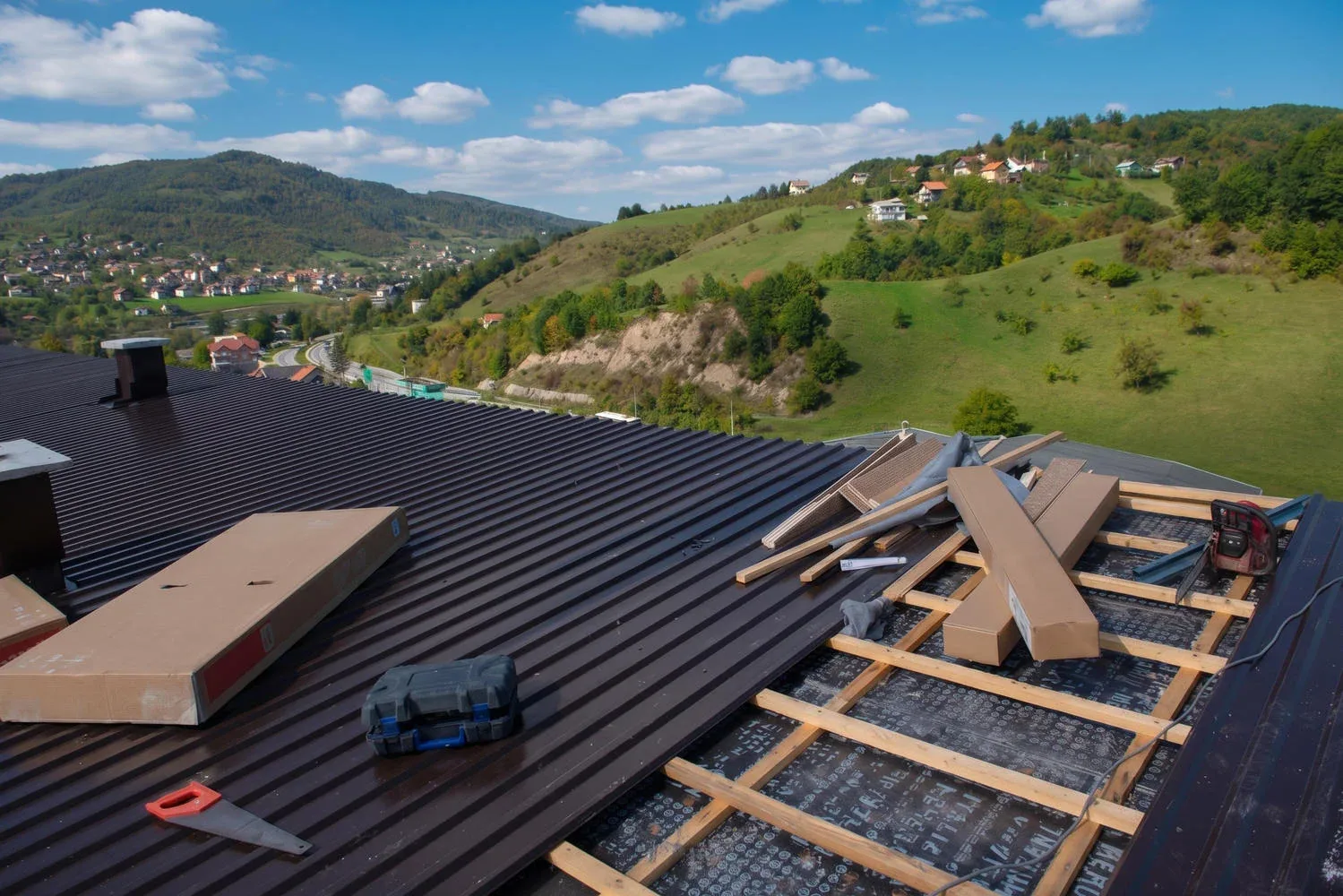
On a first walk we examine the perimeter and the corners, where uplift peaks, then the ridge, the transitions between panel runs and every curb. On a metal roof we look at fastener backout, sealant at laps and the condition of the trim. On a membrane roof we look at edge metal and seam strength. Our wind damage repair secures what is loose first, then reinforces the areas that moved.
Match the Roof System to the Building's Job
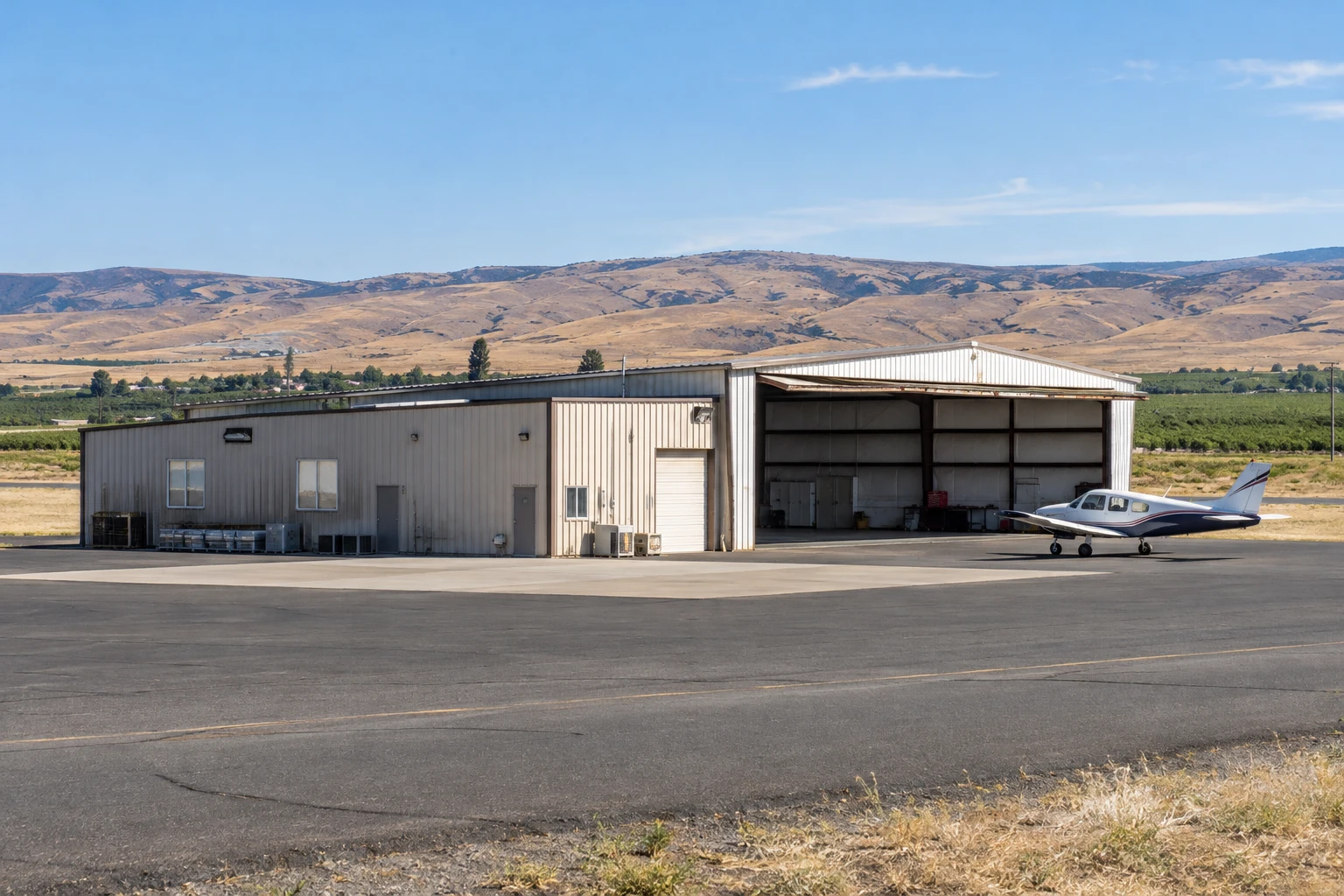
The district takes in the buildings around the city-owned airfield south of Yakima, a property of about 825 acres at 1,099 feet where aircraft manufacturing, hangar leasing and an air museum are among the businesses. Cub Crafters, McCormick Air Center and the McAllister Air Museum are examples of the uses. Those uses describe the district: manufacturing, hangars and exhibit space, and buildings of those types share needs, so we plan around the use rather than the address.
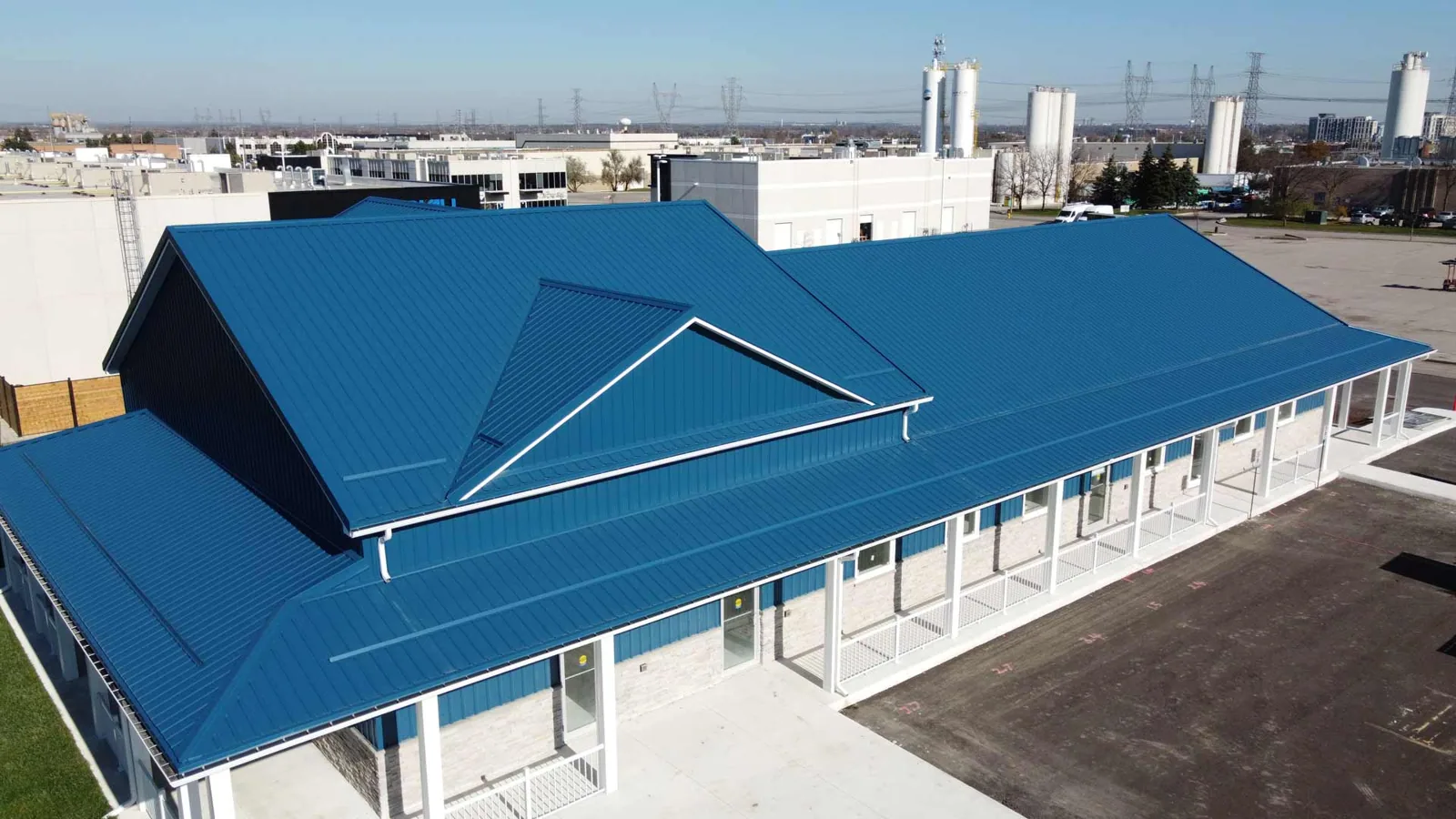
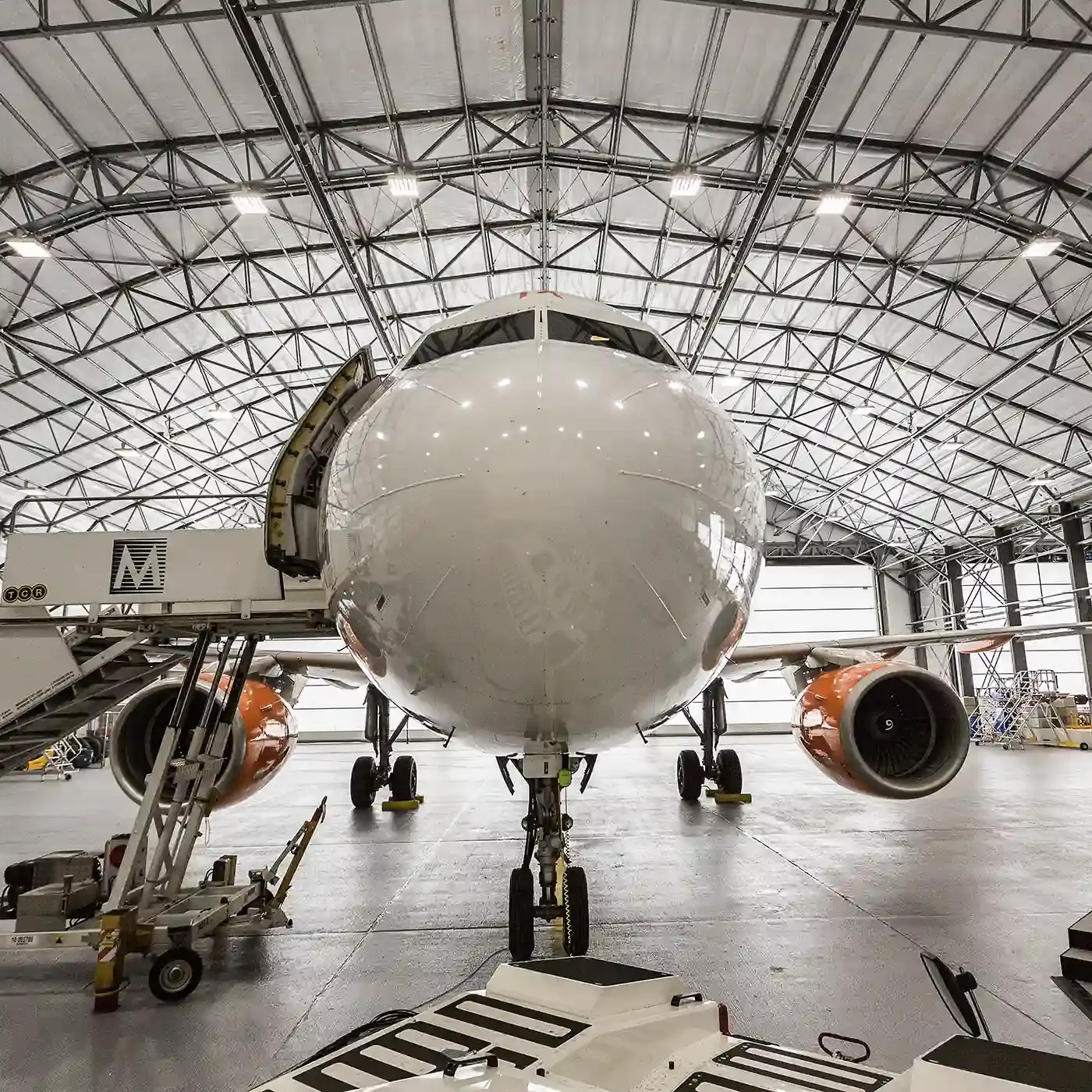
A hangar wants a long-lasting, low-maintenance roof with clear spans and large doors. A manufacturing shop wants steady interior temperature and clean air near finishing areas. A light-industrial building might have a rooftop unit on every bay. For a hangar we compare standing seam metal with a single-ply system, and a hangar owner should weigh each against the aircraft hangar roofing needs of door spans and fuel-area rules.
Keep Aircraft, Fuel and Production Out of the Work Zone
A roof over a working hangar or an assembly floor cannot be torn open the way a retail roof can. Tarps blown loose can end up on a taxiway, loose fasteners can damage equipment, and hot work near fuel storage needs a permit and a watch. Before we start, we ask where aircraft are parked, which doors must stay clear, where fuel and solvents are stored and what the shift schedule looks like.
We work in bays, one section at a time, with debris netting and a magnet sweep of the ground after each day. Tie-ins close before the crew leaves, and we stage materials away from taxi paths. Tenants in multi-bay buildings often share a roof, so we coordinate with each. A written scope tells every tenant which bays are open, on which days and for how long.
Plan Snow Clearing for Wide Roofs
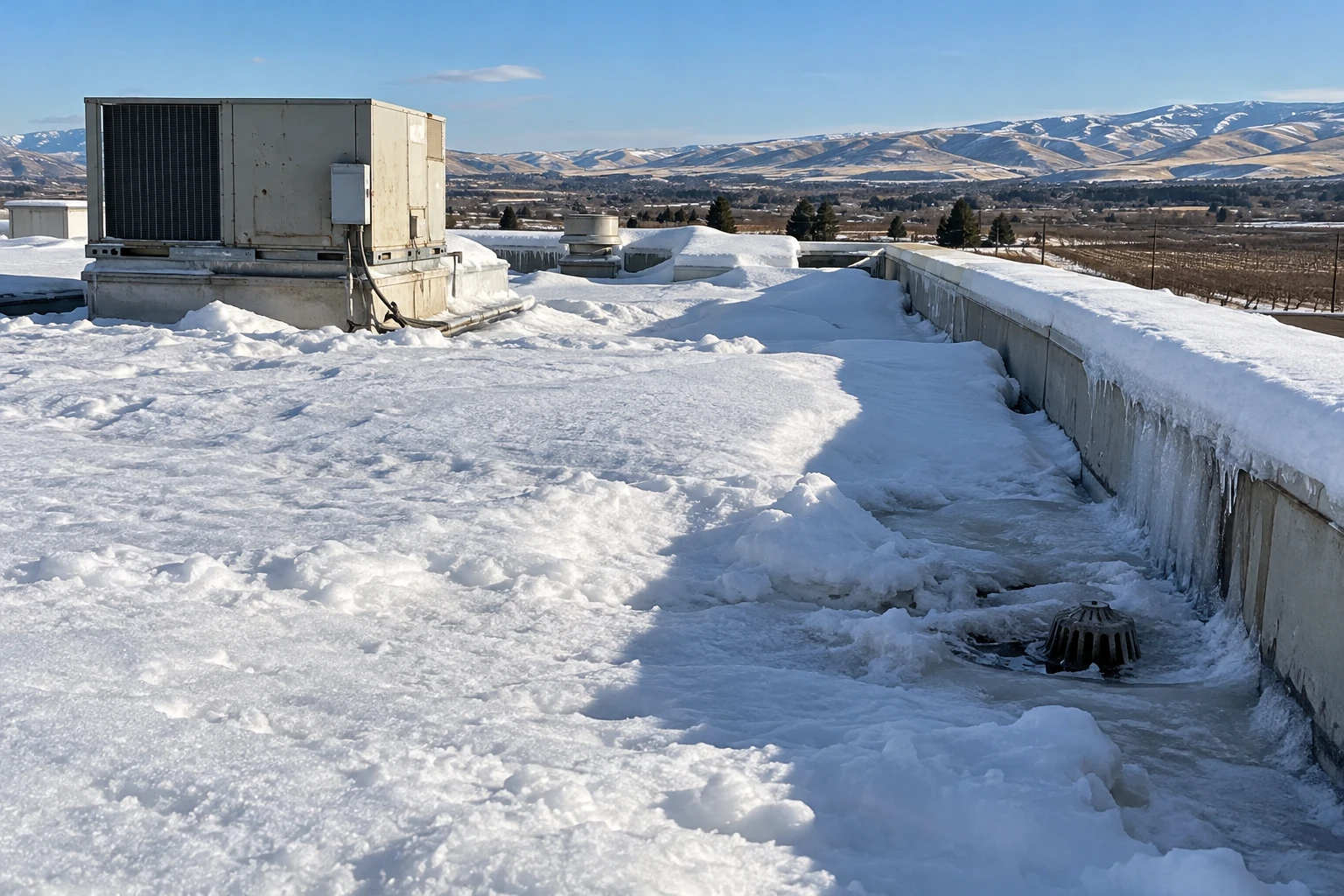
Design snow load follows the parcel, with engineering required above 70 psf. A wide-span roof carries its snow load across few interior supports, so deflection matters. The February 2019 red tag on a South Third Avenue building in Yakima shows what a bulging wall can lead to, and the same caution applies to a coated or membrane hangar roof.
We clear with plastic tools and leave a protective layer. Metal roofs shed snow in sheets, and a sliding slab can damage doors, vehicles and anyone beneath the eave, so snow guards and barricades come first. Tell us what the permit load is and where the snow tends to slide, and we mark the safe zone before the crew starts. Our snow and ice damage repair follows that sequence on every wide roof.
Coat or Recover Before Summer Swings Loosen the Seams
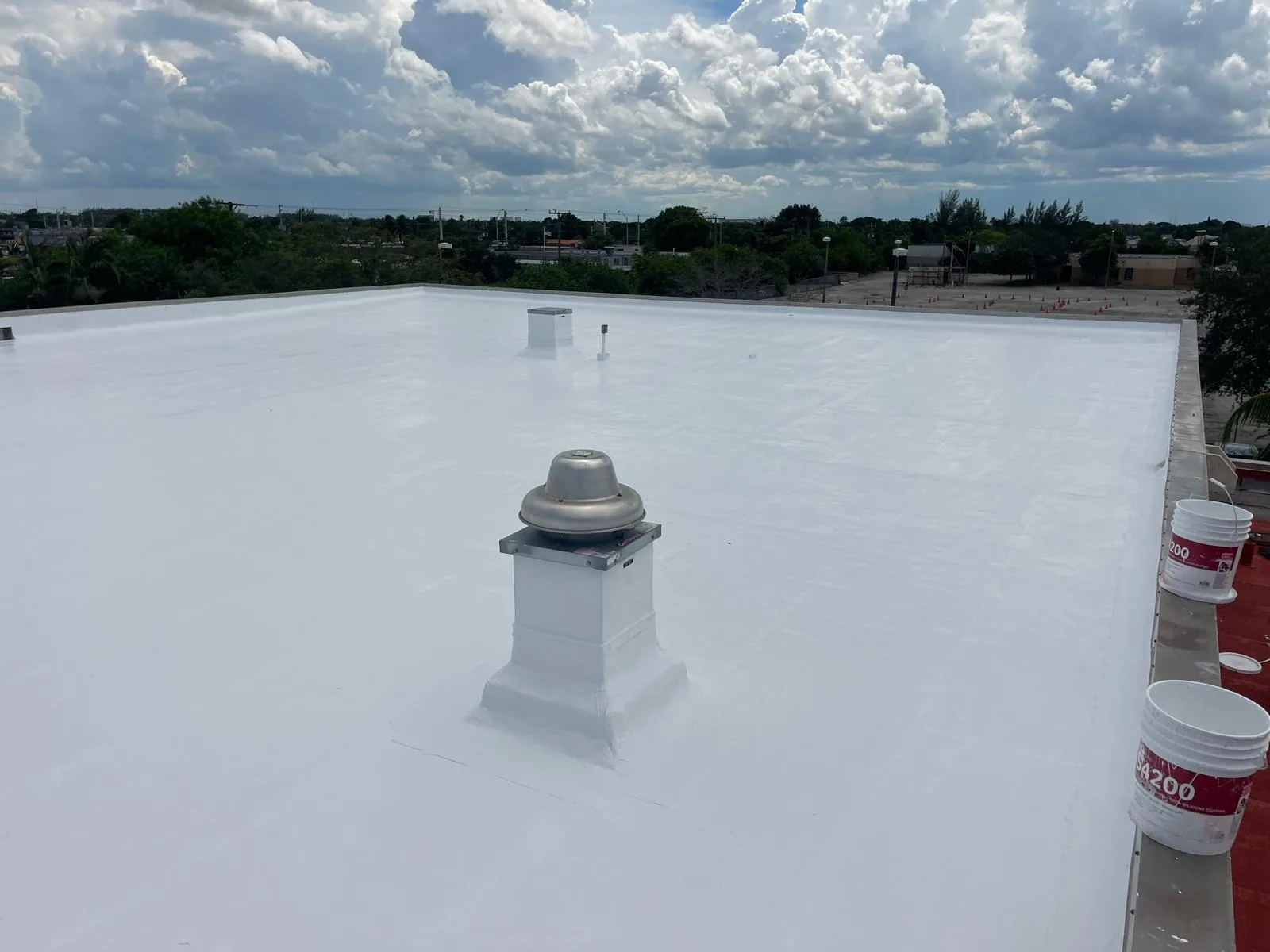
Summer here runs past 90 F on dozens of afternoons, with a record of 113 F on June 29, 2021, and cool nights follow each hot day. A large flat surface expands in the afternoon and contracts after dark. Seams, laps and sealant take that movement, and a coating or recover plan reduces it. For a membrane roof with dry insulation, a silicone coating can add years; for a worn metal roof, a retrofit panel or fluid-applied system is an option.
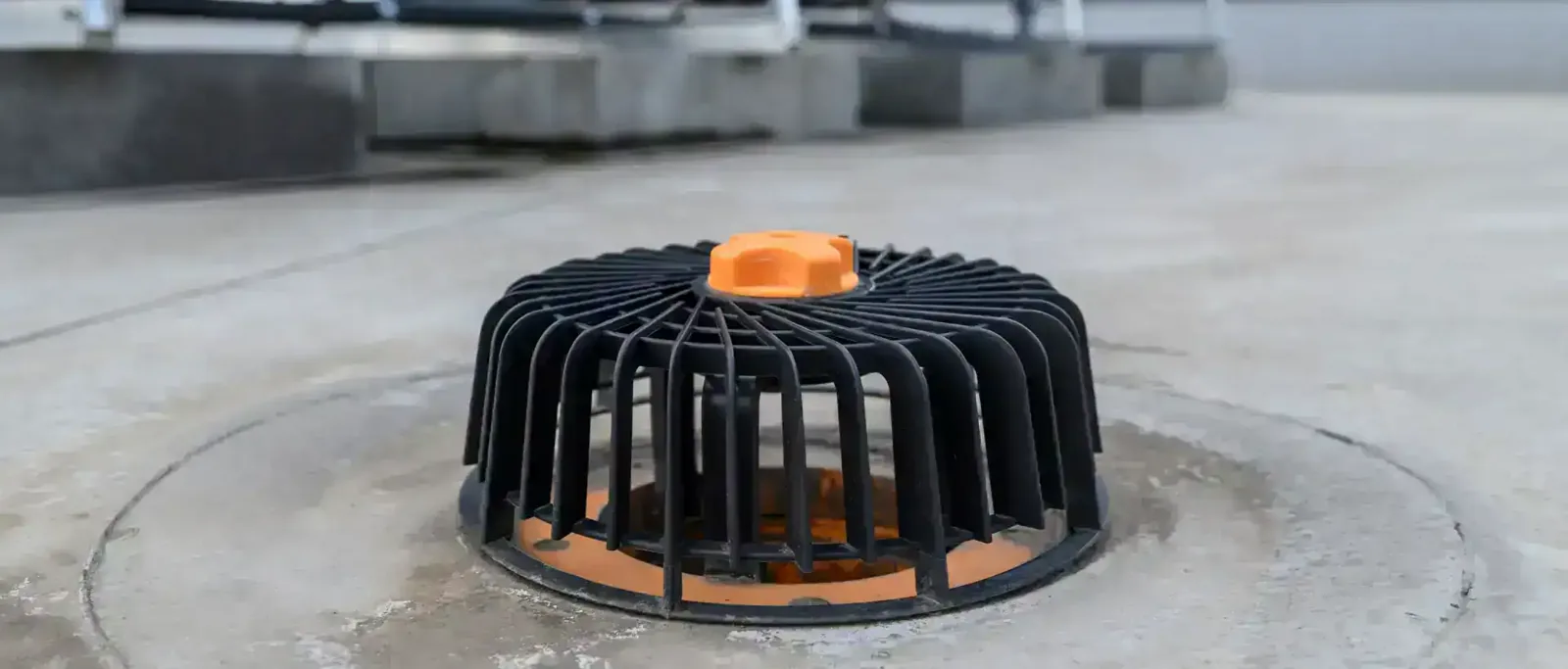
Drainage on a wide roof deserves its own look. Water on a long, nearly flat span travels far to reach a drain, and a clogged scupper at the low end can hold several inches across hundreds of feet. We walk the drainage path from the high point to the outlet, sound the insulation for soft spots and check that overflow openings sit at the right height. Fixing drains and scuppers is often the cheapest way to extend a roof's life, and it keeps ponded water from adding to a snow load.
Neighboring service areas such as Union Gap and downtown Yakima share the same weather, so we can stage crews across all three when schedules line up.
Commercial Roofing Questions
A hangar roof hums during gusts. Is that normal?
A steady hum at the eave usually means loose or lifted edge metal. A rattle in the span can mean fasteners backing out or a panel moving. Keep people and aircraft clear of the area and send a photo from the ground. We secure the loose piece first and check the nearest fasteners and laps afterward.
Can the roof over an occupied manufacturing bay be repaired without stopping production?
Often, yes, when the work is sequenced by bay. We use debris netting, close each day's tie-ins and keep hot work away from fuel and finishing areas. Tell us which lines must run, when shifts change and where materials are stored, and we plan the sections around them.
How do you choose between metal and single-ply for a hangar?
We start with the span, the deck, the door openings and the maintenance budget. Metal lasts and sheds snow; single-ply suits a low slope with many penetrations. The condition of the deck and the cost of access then decide it, and we show both on one page with the cost drivers.
Who clears snow from a wide-span roof safely?
A crew with plastic tools, fall protection and a plan for where the snow lands. Do not send staff up. Give us the design load, the drifts you can see and the doors that must stay clear, and we sequence clearing in balanced passes.
What should be ready when the crew arrives?
A named contact, a clear path to the roof, a marked area for aircraft and vehicles and a list of anything that cannot be moved. We handle the rest.